- Easy
- 40 min
- 2 serv.
- 5 synergies
- Fully in season
A soft chocolate mousse made with ripe avocado, cacao and coconut milk. Chopped almonds add just enough bite, while cinnamon and a pinch of sea salt make the flavor rounder and deeper.
This mousse feels almost like a dark chocolate cream spooned from a small glass: dense, smooth and velvety. Avocado brings a quiet creaminess that lets the cacao taste round and full, while coconut milk makes everything even softer without turning heavy. A hint of cinnamon adds warmth in the background, sea salt lifts the chocolate notes, and the chopped almonds on top bring just enough contrast. When well chilled, the mousse takes on something luxurious and almost truffle-like — the kind of dessert that looks small but feels rich and carefully made.
- 10
- min prep
- 0
- min cook
- 40
- min total
Nutritional Synergies
This recipe combines ingredients that enhance each other:
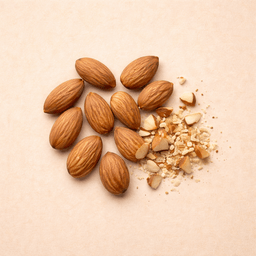 Almonds
  Cacao powder
 Double magnesium boost: 500mg per 100g combined
Technical: Almonds (270mg magnesium/100g) and cacao (230mg/100g) together provide 500mg magnesium - more than the daily recommendation. Magnesium is crucial for 300+ enzymes, muscle contraction and ATP energy. Cacao also adds theobromine for mild stimulation.
What does this mean for you? Make trail mix with almonds and cacao nibs, or bake chocolate-almond snacks. Ideal for muscle cramps, stress or fatigue.
EnergyMuscle GainStress Relief
Cacao powder  Coconut milk
 Ideal base for hot chocolate
Technical: Cacao's flavanols (epicatechin) are partially fat-soluble. Coconut milk's MCTs significantly improve absorption of these polyphenols. Importantly: dairy proteins (casein) bind to flavanols and block uptake. Coconut milk doesn't have this problem, resulting in higher flavanol bioavailability than with cow's milk.
What does this mean for you? Make hot chocolate with coconut milk instead of cow's milk. The coconut fat helps you absorb more antioxidants from cacao — cow's milk actually blocks this.
HeartFocus
 Vanilla extract Cacao powder
 Vanillin enhances chocolate flavor perception
Technical: Vanillin (the main aroma molecule in vanilla) binds to the same olfactory receptors as chocolate aromatics (pyrazines, Maillard compounds). This enhances perceived chocolate flavor without extra sugar or cocoa. Research shows vanillin increases sweetness perception by 10-15%, requiring less sugar.
What does this mean for you? Add vanilla extract to chocolate baking or hot chocolate. You need less sugar because vanilla enhances the chocolate flavor and sweetness.
General Wellness
Vanilla extract 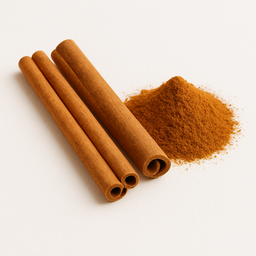 Cinnamon
 Vanillin + cinnamaldehyde reduce sugar craving
Technical: Vanillin activates sweet receptors (T1R2/T1R3) without providing calories, increasing perceived sweetness of dishes by 30-40%. Cinnamon's cinnamaldehyde activates AMPK and supports glucose uptake in cells, biochemically reducing sugar cravings. Together they lower the need for added sugar: vanilla makes sweeter (sensory), cinnamon supports glucose balance (metabolic).
What does this mean for you? Add vanilla extract + cinnamon to your coffee, oatmeal or yogurt instead of sugar. Your brain experiences sweetness but your glucose balance stays stable — the smartest way to eat less sugar.
Blood SugarWeight Loss
 Sea salt
 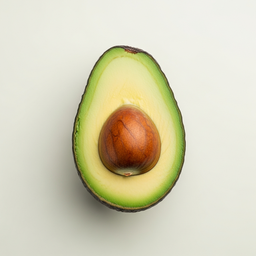 Avocado
 Minerals improve flavor perception and electrolyte balance
Technical: Sea salt contains trace minerals (magnesium, potassium, calcium) besides sodium. Tomato is rich in potassium (237mg/100g) and lycopene. Avocado adds magnesium (29mg) and potassium (485mg). Together they form a broad electrolyte profile: sodium (salt) + potassium (tomato/avocado) + magnesium (avocado) — essential for fluid balance and nerve function.
What does this mean for you? Sprinkle tomato and avocado with a pinch of sea salt. This is more than flavor — the minerals complement each other for a complete electrolyte balance.
HeartEnergy
Ingredients (7)
+5 more ingredientsInstructions
- 1 Scoop the avocado flesh into a blender or small food processor.
Nutrition per serving
Indicative values per serving.
Timing & Suitability
Shelf life: 1 days in fridge
Tags & Diet
Allergens: Nuts