- Easy
- 2 min
- 1 serv.
- 3 synergies
- Now at its best: Walnuts
A two-minute snack that tastes like you spent longer on it. Walnuts with a drizzle of honey, a hint of cinnamon and just enough sea salt to bring everything forward.
You shake them into a small bowl, drizzle honey over them and scatter cinnamon and salt. Two minutes, that is all. But what you hold in your hand is just right: walnuts that crack under your teeth, sticky with honey, with that warm scent of cinnamon rising the moment you mix them. The sea salt finishes it — pulling the sweetness forward and giving the nuts depth. The kind of snack that makes you forget it took two minutes.
- 2
- min prep
- 0
- min cook
- 2
- min total
Nutritional Synergies
This recipe combines ingredients that enhance each other:
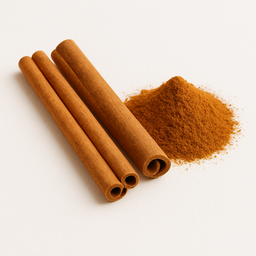 Cinnamon
 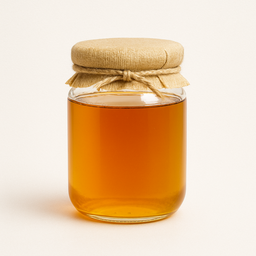 Honey
Honey Traditional warm combination of cinnamon and honey
Technical: Cinnamon contains cinnamaldehyde and proanthocyanidins with bioactive action via cell wall disruption. Honey's glucose oxidase produces hydrogen peroxide with bioactive action, while honey's high viscosity forms a physical barrier. Two independent bioactive mechanisms that work more broadly together.
What does this mean for you? Cinnamon + honey in warm tea — a classic combination. Both have bioactive action via different pathways — broader together than alone.
Immune System
Cinnamon 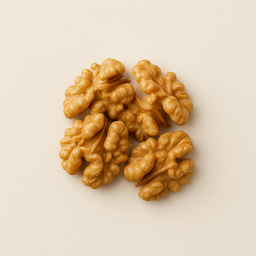 Walnuts
 Cinnamon's insulin sensitivity + walnut omega-3 for metabolic health
Technical: Cinnamaldehyde activates AMPK and improves insulin signaling, while walnuts' ALA (alpha-linolenic acid) and ellagitannins regulate fat metabolism via PPARγ activation. Together they improve glucose metabolism via two complementary pathways.
What does this mean for you? Sprinkle walnuts with cinnamon as a snack or in your oatmeal — a delicious combination that supports your blood sugar and fat metabolism.
Blood SugarHeartWeight Loss
Walnuts Honey ALA omega-3 + enzymatic honey: complementary bioactive pathways
Technical: Walnuts' ALA (omega-3) influences prostaglandin metabolism via complementary biochemical pathways. Honey's glucose oxidase produces hydrogen peroxide. Together they provide two complementary bioactive pathways: walnuts via the omega-3 → prostaglandin pathway, honey via enzymatic activity.
What does this mean for you? Walnuts with honey is a classic combination — the omega-3 fatty acids influence prostaglandin metabolism, honey provides enzymes such as glucose oxidase. Two complementary pathways in one snack.
HeartImmune SystemEnergy
Instructions
- 1 Put the walnuts in a bowl, drizzle the honey over them and sprinkle with cinnamon and a pinch of sea salt.
Nutrition per serving
Indicative values per serving.
Timing & Suitability
Shelf life: 7 days in fridge
Tags & Diet
Allergens: Nuts