- Easy
- 35 min
- 2 serv.
- 6 synergies
- Now at its best: Red Bell Pepper
Authentic Thai green curry with juicy shrimp in creamy coconut milk, aromatic green curry paste and crunchy red bell pepper. Finished with fresh Thai basil and a squeeze of lime juice, served on fragrant jasmine rice.
The green curry paste sizzles in the hot wok until the kitchen fills with the scent of lemongrass, galangal and kaffir lime. A can of creamy coconut milk goes in — thick and velvety, transforming the sharp paste into a soft, warm-green sauce. Strips of red bell pepper bring color and a subtle sweetness that contrasts beautifully with the gentle heat of the curry. The shrimp go in only at the end — three minutes in the simmering sauce is all it takes to turn them pink and firm. A handful of Thai basil — with its unmistakable anise-like fragrance — gets stirred through just before serving. A squeeze of fresh lime juice brightens everything and ties the flavors together over a steaming mound of jasmine rice.
- 15
- min prep
- 20
- min cook
- 35
- min total
Nutritional Synergies
This recipe combines ingredients that enhance each other:
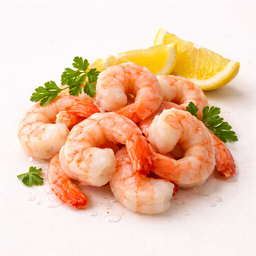 Shrimp
 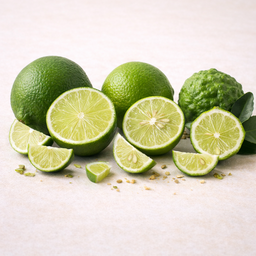 Lime
Lime Better iron absorption from shellfish
Technical: Shrimp contain 2mg iron per 100g, mainly as heme iron (well absorbed) plus some non-heme iron. Lemon provides 53mg vitamin C per 100g that reduces non-heme iron from Fe³⁺ to the more absorbable Fe²⁺. Additionally, citric acid promotes absorption by chelating minerals, which also improves uptake of zinc (1.6mg) and selenium (38μg) from shrimp.
What does this mean for you? Sprinkle your shrimp with lemon or lime juice. This works in cocktail sauces, ceviche, pad thai and shrimp soup. The citrus not only freshens the flavor but also increases your mineral absorption.
EnergyImmune System
Shrimp 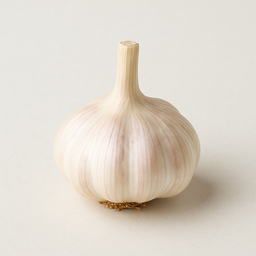 Garlic
 Astaxanthin + allicin influence lipid metabolism via complementary pathways
Technical: Shrimp contain astaxanthin (1.5-3mg per 100g) — a potent carotenoid antioxidant that neutralizes singlet oxygen. Garlic contains allicin that works through a different mechanism: it influences HMG-CoA reductase (involved in lipid metabolism). Together they offer complementary biochemical pathways: antioxidation (astaxanthin) + lipid modulation (allicin).
What does this mean for you? Gambas al ajillo (shrimp in garlic oil) isn't just a Spanish classic but also a functional combination. Use at least 4-5 cloves of garlic and don't brown them too much — allicin breaks down at high temperatures.
HeartAnti-inflammatory
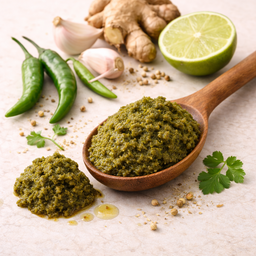 Green Curry Paste
 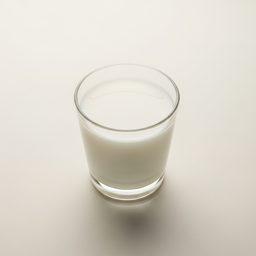 Coconut Milk
 Capsaicin + MCT fats for optimal spice absorption
Technical: Green curry paste contains galangal (ACA antioxidant), lemongrass (citral), kaffir lime (citronellol), green peppers (capsaicin) and coriander roots. All these active compounds are partially fat-soluble. Coconut milk's MCTs (15% of fats) and lauric acid (48%) form micelles that increase bioavailability 3-5x. Capsaicin dissolves completely in coconut fat, extending the thermogenic response.
What does this mean for you? Green curry with coconut milk isn't just a classic combination — it's scientifically optimized. The coconut milk dissolves the active compounds from the paste so your body can use them.
Anti-inflammatoryImmune SystemDigestion
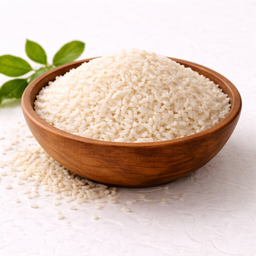 Jasmine Rice Coconut Milk
 Coconut milk lowers glycemic response of rice
Technical: MCTs (medium-chain triglycerides) in coconut milk slow gastric emptying and reduce the glycemic index of rice by 20-30%. The fat also improves absorption of fat-soluble nutrients in the meal.
What does this mean for you? Cook your rice in coconut milk (1:1 water:coconut milk ratio) for creamier, healthier rice. This is the basis of many Thai and Indonesian rice dishes.
Blood SugarEnergy
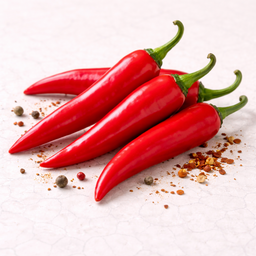 Red Chili Pepper (Fresh) Garlic
 Capsaicin + allicin: complementary bioactive sulfur pathways
Technical: Capsaicin from red pepper inhibits bacterial biofilm formation and is effective against H. pylori via TRPV1 receptor activation. Garlic's allicin works via thiol enzyme inhibition and has bioactive action against gram-positive bacteria. Together they cover a broader spectrum of bioactive pathways. Capsaicin also stimulates mucus production in the GI tract.
What does this mean for you? Red pepper with garlic is the base of countless cuisines worldwide — from sambal to harissa. Not just tasty heat, but also two complementary bioactive pathways in one spice combination.
Immune SystemAnti-inflammatory
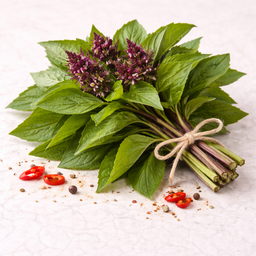 Thai Basil Coconut Milk
 Eugenol + lauric acid for broad bioactive action
Technical: Thai basil contains eugenol (15-25%) and estragole — bioactive phenolic compounds that disrupt cell walls of microorganisms. Coconut milk provides lauric acid — an MCT with independent bioactive action via lipid envelope disruption. Ginger adds gingerol. Together: three bioactive mechanisms in one dish.
What does this mean for you? Use Thai basil with coconut milk and ginger in Thai curries. The three ingredients together offer broad bioactive action through three different routes.
Immune SystemDigestion
Instructions
- 1 Cook jasmine rice according to package instructions (about 15 minutes).
- 2 Heat 2 tablespoons of the creamy top of coconut milk in a wok.
Nutrition per serving
Indicative values per serving.
Timing & Suitability
Shelf life: 2 days in fridge
Tags & Diet
Allergens: Shellfish, Soy