Daikon (Japanese Radish)
The large white radish from Asia
What is this ingredient?
## Botanical Characteristics and Origin
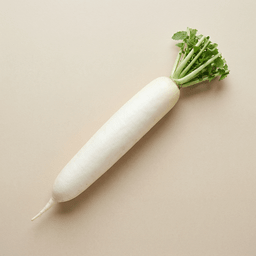
Daikon (Raphanus sativus var. longipinnatus) is a large white radish originating from East Asia, where it has been cultivated for over 2000 years. The name 'daikon' comes from Japanese and literally means 'large root'. This remarkable vegetable can grow up to 50 cm long and typically weighs 300-500 grams, though some varieties can exceed 1 kg. The roots are cylindrical, smooth, and white, with a mild, slightly pungent flavor that is much subtler than that of common small radishes.
## Digestive Enzymes and Glucosinolates
Daikon distinguishes itself through a unique profile of bioactive compounds, particularly digestive enzymes and glucosinolates. The presence of diastase, amylase, and lipase makes daikon particularly effective for supporting digestion (Nakamura et al., 2008). These enzymes help break down carbohydrates and fats respectively, which explains why daikon is traditionally eaten in Japan with heavy meals such as tempura.
The glucosinolates in daikon, particularly 4-methylthio-3-butenyl glucosinolate, are converted by the enzyme myrosinase into isothiocyanates when tissue is damaged (by cutting or chewing). These isothiocyanates exhibit bioactive properties being studied in laboratory research for their interaction with microorganisms and cell growth processes (Ishida et al., 2008). Recent research shows that bioactive compounds in Raphanus sativus can induce apoptosis in various cancer cells through modulation of genes related to the apoptotic pathway (Ullah et al., 2025).
## Vitamin C and Antioxidants
With 22 mg of vitamin C per 100 grams (approximately 30% of the recommended daily intake), daikon is an excellent source of this essential antioxidant. Interestingly, daikon leaves are even richer in vitamin C than the root itself, with concentrations exceeding those of oranges. Additionally, daikon extract contains the polyphenol antioxidants ferulic acid and quercetin, both of which have bioactive properties being studied in preclinical research for their interaction with cellular processes and oxidative stress (Hanlon et al., 2007).
## Culinary Traditions and Modern Application
In Asian cuisine, daikon is used in countless ways: raw in salads, fermented as kimchi or takuan (Japanese yellow radish), cooked in stews, or finely grated as a garnish for grilled meat and fish. Japanese cuisine uses grated daikon (daikon oroshi) as a digestive aid alongside fried dishes. In Korea, mu (Korean daikon) is an essential ingredient in kimchi and many soups. The mild flavor and crisp texture also make daikon suitable for modern fusion cuisines, where it is used in Asian-inspired tacos, wraps, and smoothies.
How does it taste?
Fresh, mildly peppery and slightly sweet. Milder and juicier than red radish.
Pairs well with:
Pairs well with soy saucemisogingerrice vinegar and sesame.
Did you know...?
- Daikon can grow up to 60 cm long and weigh more than 2 kilograms.
- In Japan, daikon is considered the most consumed vegetable, with dozens of preparation methods.
Nutritional Value & Energy
Per 100g
Daikon (Japanese Radish) is low in calories thanks to natural nutrients .
Per 100g
Minerals
Vitamins
More nutrients
B-Vitamins
Trace Minerals
What's in a serving?
1 serving
Daikon (Japanese Radish) naturally contains vitamin c (22 mg per 100 g).
% of daily reference intake (DRI)
EU-approved nutrition claims
This ingredient contains nutrients for which EFSA-authorized health claims exist (at nutrient level, not ingredient-specific).
Approved health claims (EU)
Vitamin_c EU 432/2012
Vitamin C contributes to the normal function of the immune system
Contains 22mg/100g (threshold: ≥12mg/100g)
Vitamin_c EU 432/2012
Vitamin C contributes to the reduction of tiredness and fatigue
Contains 22mg/100g (threshold: ≥12mg/100g)
Vitamin_c EU 432/2012
Vitamin C contributes to normal collagen formation for the normal function of skin
Contains 22mg/100g (threshold: ≥12mg/100g)
Vitamin_c EU 432/2012
Vitamin C contributes to normal collagen formation for the normal function of blood vessels
Contains 22mg/100g (threshold: ≥12mg/100g)
Vitamin_c EU 432/2012
Vitamin C contributes to normal collagen formation for the normal function of bones
Contains 22mg/100g (threshold: ≥12mg/100g)
Vitamin_c EU 432/2012
Vitamin C contributes to normal collagen formation for the normal function of cartilage
Contains 22mg/100g (threshold: ≥12mg/100g)
Vitamin_c EU 432/2012
Vitamin C contributes to normal collagen formation for the normal function of gums
Contains 22mg/100g (threshold: ≥12mg/100g)
Vitamin_c EU 432/2012
Vitamin C contributes to normal collagen formation for the normal function of teeth
Contains 22mg/100g (threshold: ≥12mg/100g)
Vitamin_c EU 432/2012
Vitamin C contributes to normal energy-yielding metabolism
Contains 22mg/100g (threshold: ≥12mg/100g)
Vitamin_c EU 432/2012
Vitamin C contributes to normal functioning of the nervous system
Contains 22mg/100g (threshold: ≥12mg/100g)
Vitamin_c EU 432/2012
Vitamin C contributes to normal psychological function
Contains 22mg/100g (threshold: ≥12mg/100g)
Vitamin_c EU 432/2012
Vitamin C contributes to the protection of cells from oxidative stress
Contains 22mg/100g (threshold: ≥12mg/100g)
Vitamin_c EU 432/2012
Vitamin C contributes to the regeneration of the reduced form of vitamin E
Contains 22mg/100g (threshold: ≥12mg/100g)
Vitamin_c EU 432/2012
Vitamin C increases iron absorption
Contains 22mg/100g (threshold: ≥12mg/100g)
Vitamin_c EU 432/2012
Vitamin C contributes to maintain the normal function of the immune system during and after intense physical exercise
Contains 22mg/100g (threshold: ≥12mg/100g)
What's being researched?
Digestive enzymes in daikon
Daikon contains digestive enzymes like diastase and amylase being studied for their role in digestion. Traditional use is being scientifically evaluated.
Supported by: [4] Nakamura (2008) , [2] Ishida (2008)
Isothiocyanates and bioactivity in laboratory studies
Isothiocyanates in daikon are being studied for bioactive properties in relation to microorganisms. Laboratory studies show activity against various microorganisms.
Supported by: [2] Ishida (2008)
Good Combinations (Synergy)
Combine daikon (japanese radish) smartly to enhance the effect:
Daikon (Japanese Radish) 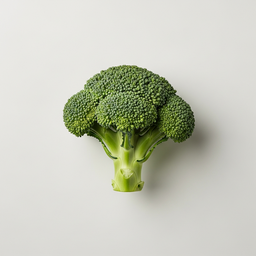 Broccoli
 Myrosinase from daikon activates sulforaphane from cooked broccoli
Daikon myrosinase hydrolyzes glucosinolates to bioactive sulforaphane (PMID: 18345631)
Technical: Cooking destroys myrosinase in broccoli, preventing glucosinolate conversion to sulforaphane. Raw daikon contains active myrosinase that performs this conversion. Sulforaphane activates phase-II enzymes via the Nrf2 pathway.
What does this mean for you? Add raw grated daikon to cooked broccoli. Daikon's myrosinase restores the sulforaphane production lost during cooking. A clever Japanese kitchen trick with biochemical backing.
Daikon (Japanese Radish) 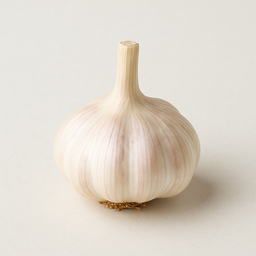 Garlic
 Complementary bioactive sulfur compounds: isothiocyanates + allicin
Isothiocyanates and allicin have complementary antimicrobial spectra (PMID: 18345631)
Technical: Daikon glucosinolates are converted by myrosinase into isothiocyanates that influence Gram-negative bacteria (E. coli, Pseudomonas) via thiol-reactive mechanisms. Allicin from garlic primarily acts on Gram-positive bacteria (Staphylococcus, Streptococcus) via sulfhydryl enzyme inhibition. Together they cover a broad spectrum of bioactive sulfur pathways.
What does this mean for you? Grated daikon with garlic (like in Japanese ponzu sauce) combines two types of bioactive sulfur compounds. Both work through organosulfur chemistry but target different pathways.
Daikon (Japanese Radish) 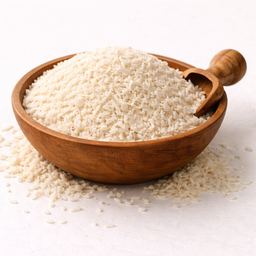 Rice
Rice Digestive enzymes improve starch digestion of rice
Daikon amylase and diastase support enzymatic starch digestion
Technical: Daikon contains natural amylase and diastase enzymes that break down starch into maltose and glucose. This supports rice digestion, especially for people with weak digestion. Traditional Japanese combination where daikon is served with rice meals.
What does this mean for you? The Japanese habit of eating grated daikon with rice is scientifically sound. It helps digest rice better and reduces bloating.
Recipes with Daikon (Japanese Radish)
Discover delicious recipes featuring daikon (japanese radish):
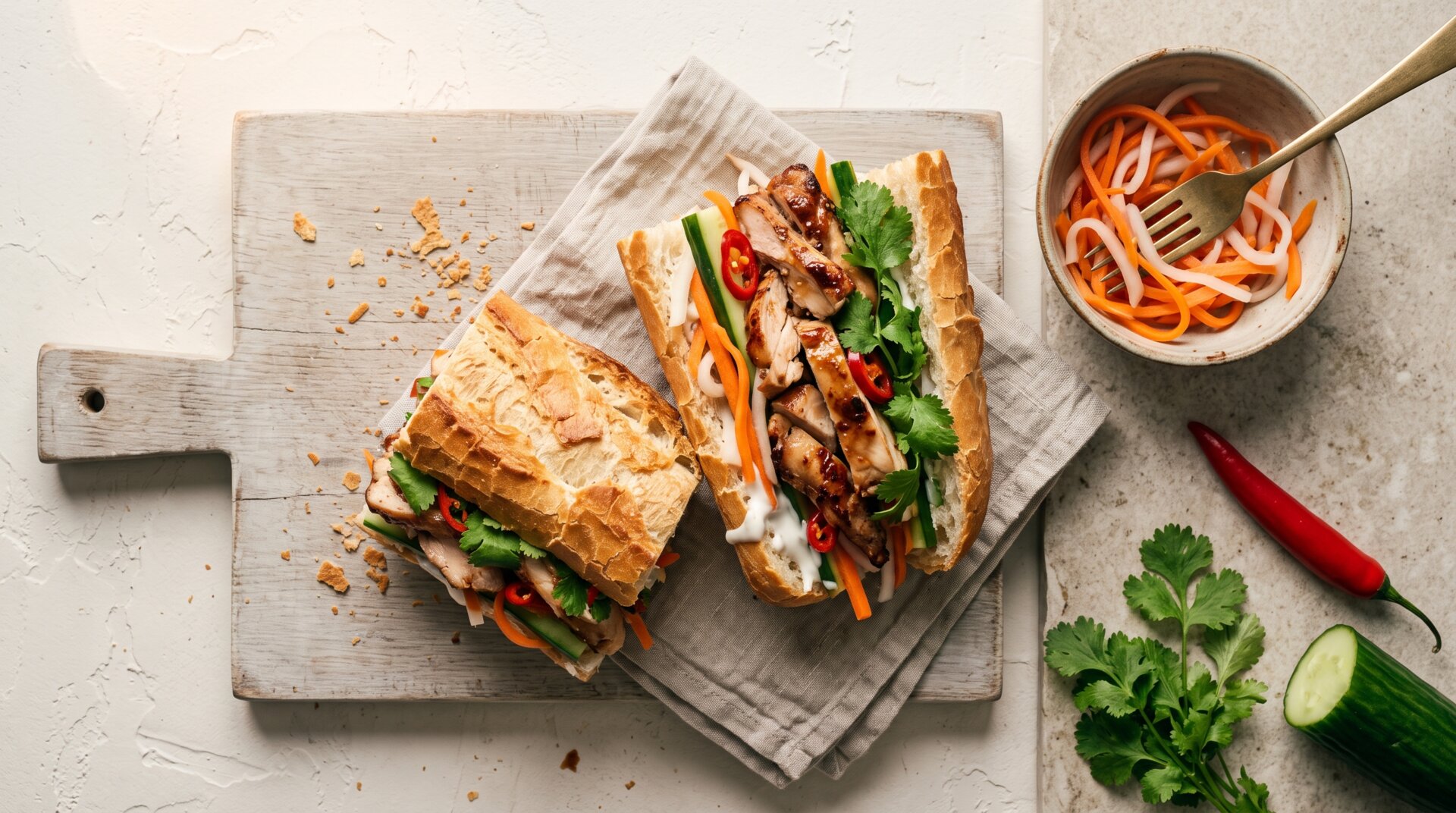 Vietnamese Bánh Mì with Marinated Chicken 65 min Crispy bread with sweet-sour pickles and cilantro
  496 kcal
  48g protein 1 synergies
  In the Kitchen
Storage
Location:Refrigerator
Shelf life:1-2 weken in de koelkast
Store daikon in a plastic bag in the vegetable drawer. Cut off the greens to prevent dehydration. Use within 3-4 days once cut.
Preparation
Daikon can be eaten raw in salads, finely grated as a garnish (daikon oroshi), fermented as takuan or kimchi, or gently stewed in Japanese stews like oden. The mild flavor absorbs flavors from broths and sauces well.
Substitutes
Smart preparation
1Peel daikon before cooking; the skin can be bitter.
2Finely grate daikon as a garnish for Japanese dishes.
3Cook daikon in rice-rinsing water for a milder flavor.
Why?
The starch in rice water helps neutralize bitterness.
Caution / Warnings
Daikon (Japanese Radish) is very safe, but there are scientific considerations:
Thyroid disorders (hypothyroidism) Moderate
Glucosinolates in daikon can inhibit iodine uptake by the thyroid in very large amounts, especially in people with existing thyroid issues
Advice:
With hypothyroidism: eat daikon in moderate amounts (no more than 100-150 g per day) and ensure adequate iodine in your diet
Blood thinners (anticoagulants) Mild
Daikon contains vitamin K, which can affect blood clotting in people taking blood thinners
Advice:
Keep intake consistent and consult your doctor if you use warfarin or other blood thinners
Traditional use
Traditional Chinese Medicine
Chinese traditional use
In traditional Chinese medicine, daikon has been prescribed for centuries to dissolve phlegm, promote digestion, and relieve food stagnation.
Southeast Asian
Japanese folk use
In Japan, daikon has been eaten alongside fatty dishes for over 1000 years to aid digestion. Dried daikon (kiriboshi) was an important winter food.
Summary
Daikon is a large white Asian radish rich in digestive enzymes (diastase, amylase, lipase) that help digest carbohydrates and fats. The glucosinolates are bioactive compounds studied in research, while vitamin C and polyphenols contains nutrients that contribute to normal immune function.